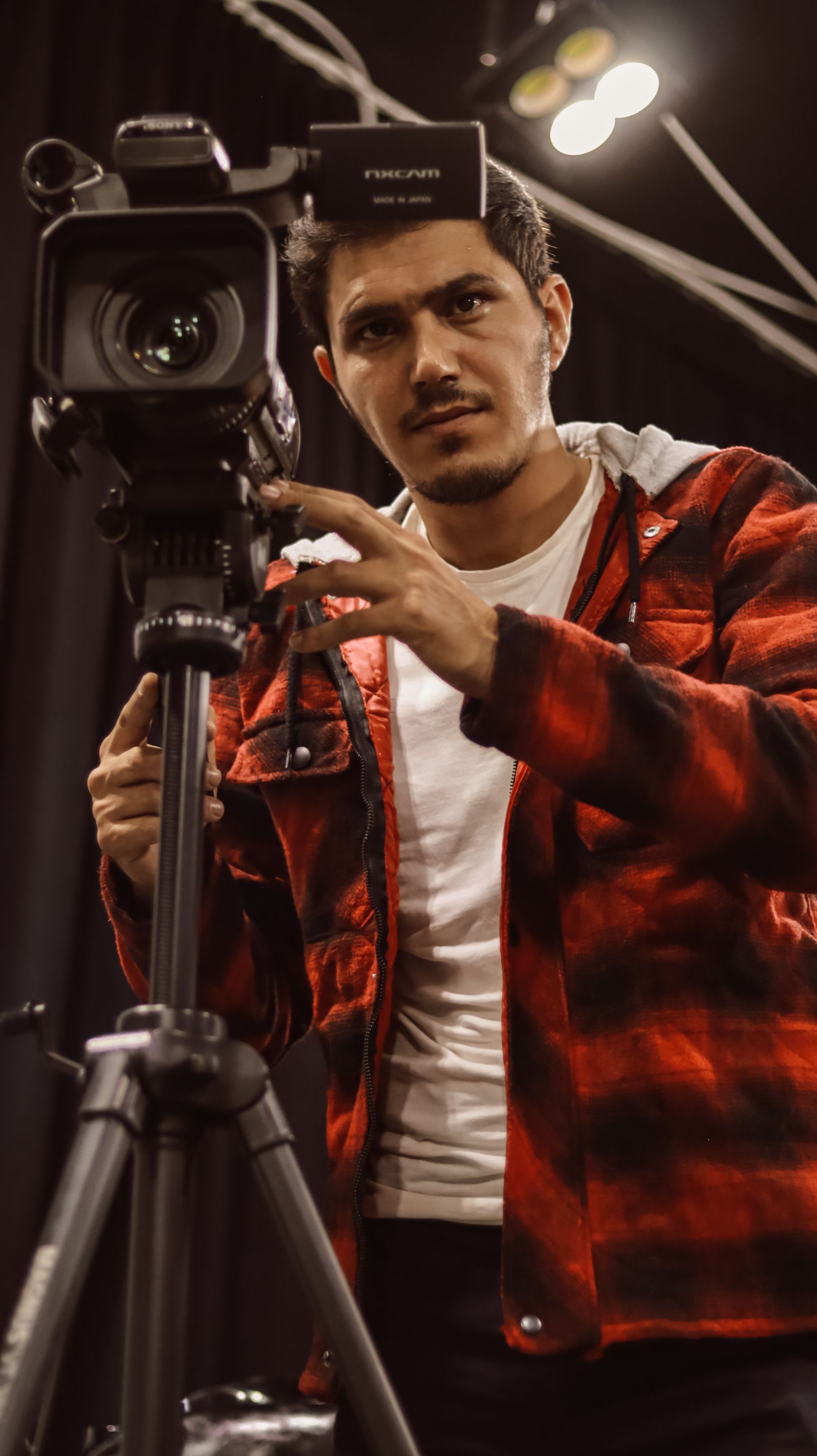
An AI receptionist for videographers can collect a project brief while the crew is on set. The call should establish what the client needs filmed, what needs delivering and when decisions must be made.
A shoot date alone is not a complete booking. Editing capacity, crew, travel and usage requirements can all change the offer.
Start with the project outcome
Ask whether the enquiry concerns an event, commercial production, property shoot or another service you offer. Collect the intended audience, shoot location, target date and the caller’s contact details.
Then clarify the deliverables: one edited film, short social clips, interviews, livestreaming or another format. Do not assume that “a video” includes raw footage, multiple aspect ratios or unlimited revisions. Record those as questions for the producer.
Capture dates separately
Keep shoot date, draft deadline and final delivery deadline in separate fields. A client may have a launch date that is more important than their preferred filming date. Record how fixed each date is.
If a project involves multiple locations or contributors, ask whether access and participant arrangements are already organised. The receptionist should not promise drone work, specialist equipment or location permissions without the team’s approval.
Quote the scope after review
Use the call to prepare a discovery meeting or estimate request. A published package can be explained using approved wording, but additions need review. Rights, music, revisions and project files should follow the business’s actual terms.
A sample closing line is: “I’ve recorded the filming plan and delivery deadline. The producer will review crew and post-production availability before confirming the scope.”
Test the production changes
Rehearse a customer who adds a second filming day, needs a next-day edit or wants to use a wedding package for commercial advertising. Check that the revised requirements appear in the final message and that any original assumptions are marked as changed.
Measure complete briefs, qualified discovery calls and the number of quotes that need reworking because the intake missed a deliverable. Keep private production details out of broad notification channels, particularly when a client is discussing an unreleased campaign.
A producer-ready project brief
- Project purpose and intended audience.
- Shoot location, dates and access arrangements.
- Requested deliverables and formats.
- Draft and final delivery deadlines, recorded separately.
- Questions about revisions, rights, crew or specialist equipment.
Illustrative example: A business requests one interview film and six short social clips for a launch. Recording those outputs separately gives the producer a clearer brief than “corporate video.” The delivery deadline also needs to be checked against editing capacity.
Common questions
Can it quote a day rate?
It can explain an approved rate and its stated scope. A day rate should not imply that editing, travel, equipment or usage terms are included unless the offer says so.
How should it record a scope change?
Identify the existing project and preserve the new request as a change needing review. Avoid silently overwriting an accepted brief or promising the original price.
To assess this workflow for your business, request a Wattle demonstration using a typical enquiry and a difficult handoff from your own operation.
Sources and further reading
Sources reviewed 27 October 2026.